For years we have repeated within Executive Protection that the principal must change his routines.
Avoid always using the same routes, alter schedules, stop frequenting the same places and try to make his movements less predictable.

Technically it makes sense. The problem is that, in real life, it is often barely practicable.
The executives we protect tend to be highly structured people. They have schedules, meetings, training sessions, family commitments and carefully organized agendas. To a large extent, that structure is precisely part of what allowed them to reach the professional level they hold.
Asking them to live permanently altering their routines can end up being unrealistic and, on top of that, needlessly disrupt the way they work and live.
Of course, when a specific threat exists or we detect a particular vulnerability, certain routines must be modified. But perhaps we have placed too much emphasis on changing the principal's habits and far too little on examining our own.
Because there is another routine over which we do have almost absolute control: the routine of the protective detail itself.
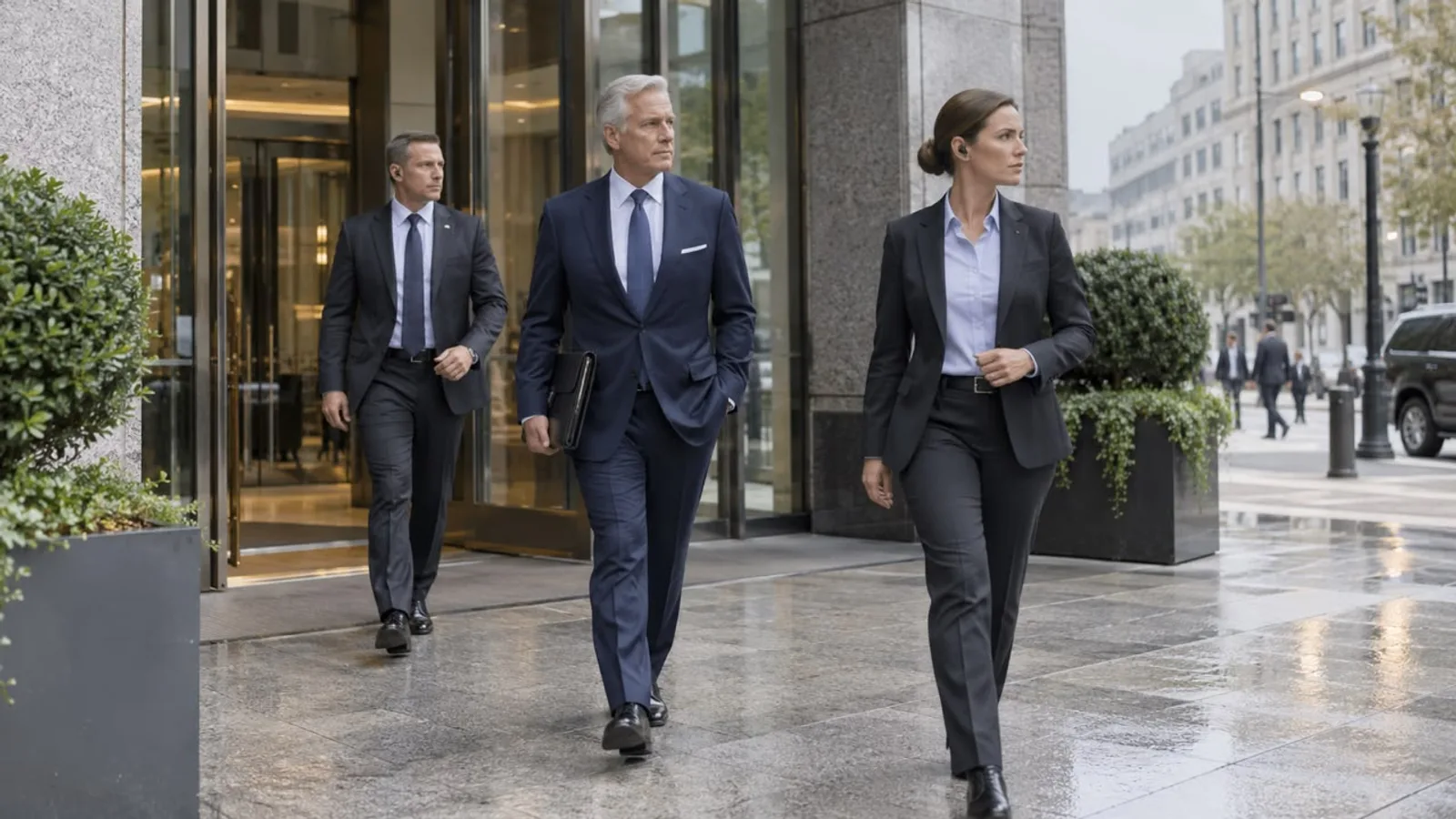
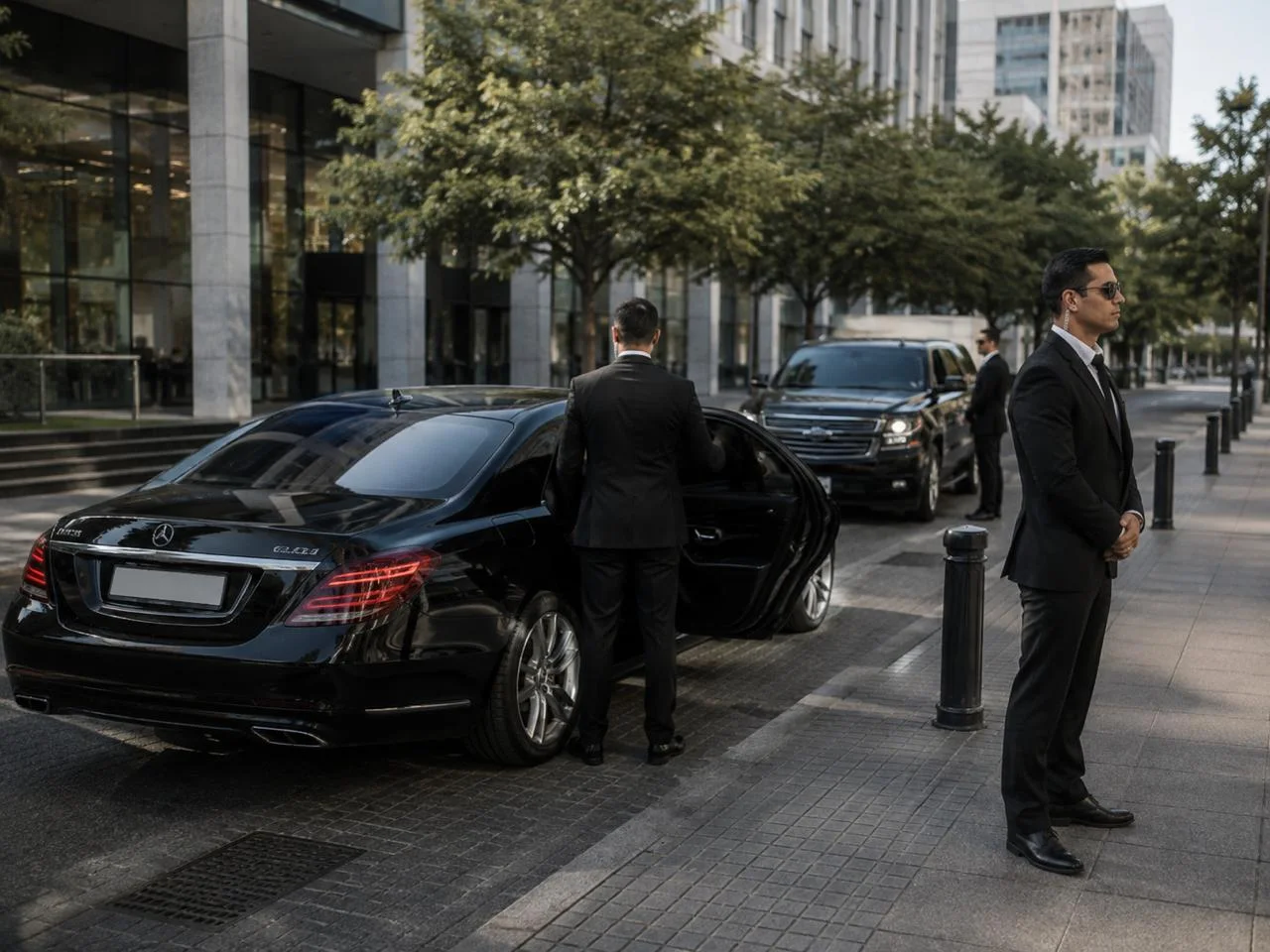
- The primary vehicle pulls out and the follow car is always positioned behind it.
- The same agents occupy the same positions.
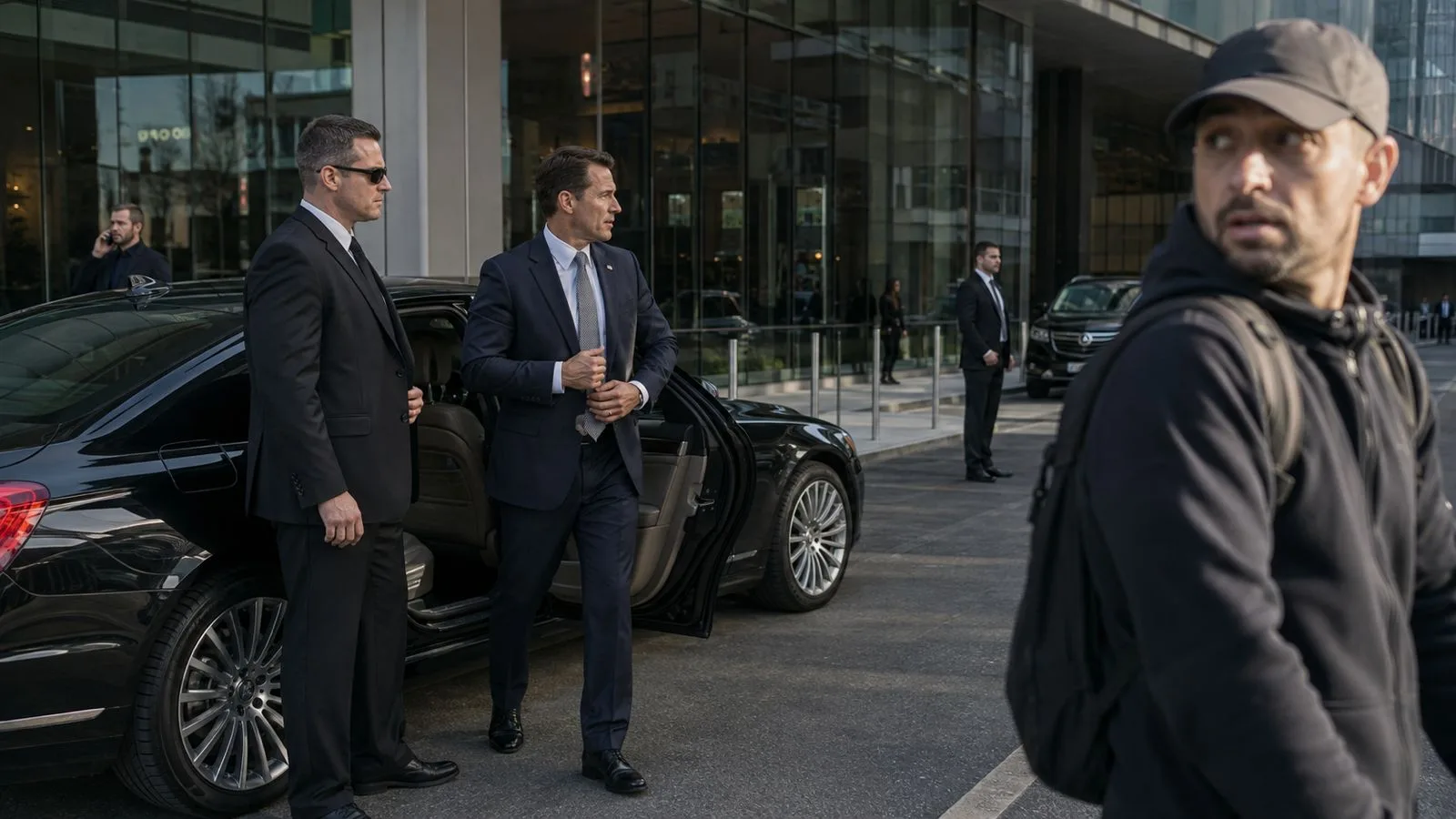
- The same person opens the door.
- The agents perform practically the same movements on every arrival and every departure.
Everyone is visible, everyone stays close to the principal. We repeat this sequence day after day.
To us it may represent discipline and established procedures. To someone observing the detail it can quickly become intelligence.
After a few days he can identify who does what, which is the follow car, where each agent positions himself, how we react to certain movements and what our next action will probably be.

The problem, then, is no longer only that they know the executive's routine. They know ours. Even if the executive changes his routine, our operational routine will stay the same.
And a predictable detail can be studied exactly like a predictable principal. This does not mean improvising or abandoning procedures. Quite the opposite.
Procedures must be perfectly established, but we need different, previously rehearsed alternatives that allow us to change the way we use our resources without losing coordination.
The follow car does not necessarily have to be behind at all times. It can be ahead, detached or pre-positioned.
The agents do not necessarily have to occupy the same positions every time. Not all of our resources have to be visible.
I discuss this role in this video (in Spanish):
We can vary who receives the principal, who moves ahead, who runs the early warning, who stays discreetly inside the venue or from which position we observe an arrival, and how and when countersurveillance is deployed.
The key is to generate controlled variability.

Our detail can be perfectly disciplined internally and, at the same time, far harder to read from the outside.
Before asking the executive once again to change his gym, his schedule or his favorite restaurant, perhaps we should spend a few days observing our own operation.
We might discover that it is we who always leave the same way, take the same positions and repeat exactly the same movements.
And then begin introducing alternatives: a support vehicle in different positions, shadow agents, advance elements, early warning, discreet resources or a unit working detached from the principal. We do not control the executive's routines, but we have absolute control over our own.
The executive will probably keep his routines. We would like to be able to modify them and, whenever possible, we should, but we know that in most cases this has very clear limits.
Yet if we modify our operational routines, we can significantly reduce the vulnerabilities that stem from the executive's own routine.